
Everyday Spaces, Effortlessly Luxurious
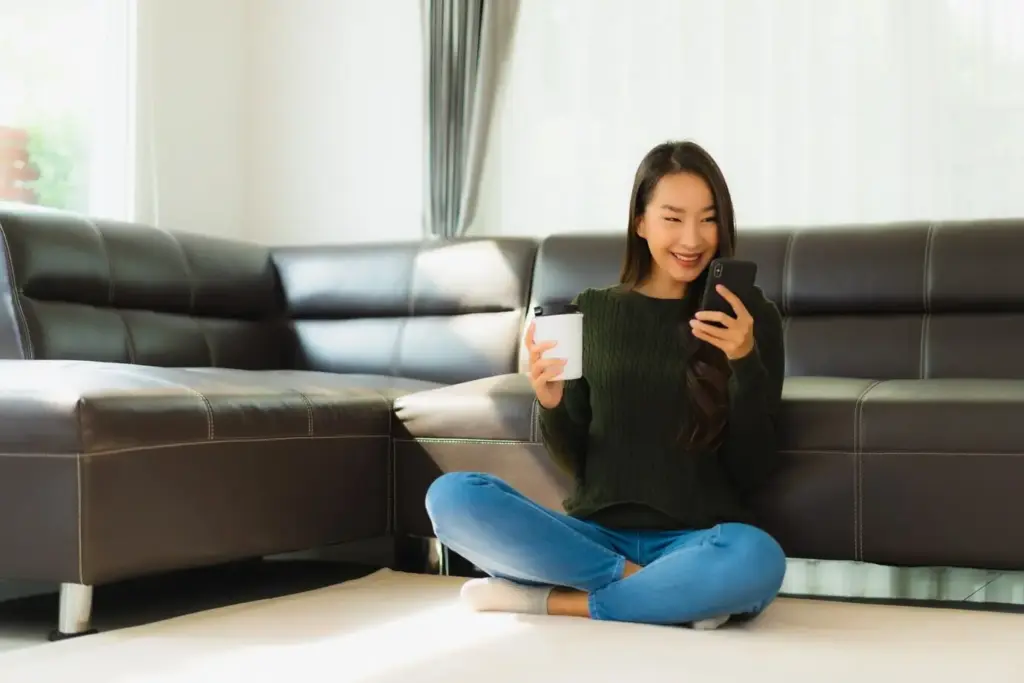
Today we explore attainable luxury home makeovers, revealing how to layer comfort, craftsmanship, and character without overspending. Expect high–low strategies, designer lighting tricks, and tactile finishes that feel indulgent yet practical. You’ll find stories, clear steps, and smart sourcing so elegance becomes approachable, personal, and wonderfully livable in real households with real budgets—yours included.

What Luxury Looks Like When It Lives With You

Luxury should invite you in, not keep you at arm’s length. Think softer silhouettes, generous textures, and thoughtful details you notice every day, like a handle that feels cool and solid or drapery that falls perfectly. The goal is sensory richness, calm proportions, and choices that age gracefully. Share what comfort means to you in the comments, and let’s translate those feelings into finishes, lighting, and layouts that hold up to busy routines without losing an ounce of elegance.

High–Low Alchemy

Blend an investment anchor, like a well-built sofa, with affordable accents that rotate seasonally. A client paired vintage brass lamps from a flea market with a custom linen slipcover, and guests asked if the whole room was designer. The trick is scale, consistent metals, and repeating textures. Try one statement material, such as marble or bouclé, and echo it subtly across trays, pillows, or frames to unify everything beautifully.

Comfort Is the New Status

A plush rug under bare feet, bread-and-butter lighting that doesn’t glare, and textiles that invite naps send a powerful message: you value how your home feels. Quiet luxury emphasizes touch more than logos. Choose breathable natural fibers, rounded edges, and supportive cushions. Luxury becomes visible when stress levels drop, voices soften, and everyone lingers. Ask yourself where your body tensions ease in the room—then spend there, unapologetically and purposefully.

Smart Spending, Stunning Results

Where to Splurge

Invest in your sofa, primary mattress, faucet valves, and the main room’s statement lighting. These items shape comfort, silhouette, and longevity. A quality sofa frame avoids sagging, and a solid faucet core saves repairs later. Choose lighting that flatters faces and materials that patinate attractively. You touch these pieces daily; let them carry quiet authority so everything around can be simpler, thrifted, or refreshed seasonally without the room losing its presence.

Where to Save

Paint can perform miracles, from color-drenching a small office to lifting ceilings with tonal trims. Ready-to-assemble cabinets paired with custom fronts mimic bespoke looks at a fraction of the cost. Washable rugs, cotton-linen blends, and outlet-sourced drapery hardware stretch budgets wisely. Embrace vintage nightstands, architectural salvage, and art prints in generous mats. Keep a consistent palette and repeat metals to ensure budget substitutions still read cohesive, polished, and purposefully curated rather than improvised.

Budget Map and Timeline

Phase by zones: start with the entry, then the living core, and finally the primary retreat. Each win feeds motivation. Set a realistic cadence—paint in week one, hardware in week two, textiles in week three—so progress never stalls. Keep a notes app with links, finish names, and measurements. When you’re ready, comment with your first three steps for community cheerleading, or subscribe to get our adaptable timeline template and reorder tracker to prevent costly missteps.

Materials and Finishes with Luxe Attitude

Materials create mood. Lean into tactile, light-catching surfaces—velvet, honed stone, unlacquered brass, limewash, and grasscloth—that age gracefully and photograph beautifully. Pair them with humble companions like painted wood or cotton twill so nothing feels precious. When budgets tighten, choose quartz with subtle veining, ceramic that imitates zellige, or porcelain slabs for dramatic impact. Keep finishes consistent across rooms for cohesion. Share your favorite textures below, and we’ll suggest pairings that elevate them without overshooting costs.

Paint Tricks that Whisper Richness

Color-drench a room by painting walls, trim, and doors the same shade in differing sheens to create depth. Use richer contrast on interior doors for a tailored note. Sample undertones in morning and evening light to avoid surprises. A soft eggshell on walls with satin trim supplies gentle glow without glare. Consider limewash in a single feature zone; its cloudy movement feels artisanal, especially when grounded by simple sisal or linen textures nearby.

Hardware that Feels Like Jewelry

Swap lightweight knobs for weighty pulls in warm brass, bronze, or polished nickel. Add backplates to cover old holes and boost presence. Match hinges or at least keep finishes within the same color family for harmony. Heavier hardware changes the hand-feel immediately, signaling quality every time you open a cabinet. For savings, source from outlet lines or use vintage pairs on focal drawers, echoing the finish via frames, lamps, or mirror edges.

Light Like a Designer

Layer ambient, task, and accent light so rooms feel flattering at every hour. Overhead alone flattens everything; pools of light add intimacy and dimension. Prioritize warm temperatures and high CRI bulbs for truer colors and kinder complexions. Center fixtures not just in rooms, but over activity zones. Dimmers are transformational. Share your trickiest corner below, and we’ll help design a layered plan that feels cinematic at dusk and brilliantly practical at noon.

The Power of Dimmers

Install dimmers on major circuits to shift from “workspace bright” to “evening glow” without changing bulbs. Separate zones—pendants, sconces, and lamps—so you can compose scenes. A small dinner feels special when light hugs the table and backgrounds recede. Choose bulbs around 2700–3000K for warmth, and aim higher CRI for art areas. Suddenly, even budget finishes look richer because shadows soften edges and reflections concentrate where they flatter most.

Sconces and Shadows

Sconces place light at eye level, sculpting faces and textures. In living rooms, flank art to create rhythm; in bathrooms, mount a pair beside the mirror to reduce under-eye shadows. Use shaded or frosted glass to avoid harsh points. Aim for dimmable fixtures so evenings feel layered, not piercing. Align heights across a wall run to keep sightlines calm. The interplay of glow and shadow reads tailored, intimate, and gently decadent without being showy.

Layout, Focal Points, and Flow

Rearranging can unlock grandeur without big purchases. Establish a clear focal point, maintain pathways at least thirty inches wide, and align seating with conversation first, screens second. Use rugs to define zones and window treatments to lift sightlines. A single bold gesture—oversized art or a tall mirror—adds drama cheaply. Tell us where your layout stalls, and we’ll suggest one controlling idea that organizes furniture, lighting, and styling into a calm, coherent whole.

Textures, Color, and the Human Touch

Luxury thrives in contrasts—rough next to smooth, matte beside gloss, cool stone against warm wood. Build a palette that travels room to room so each space feels distinct yet related. Add personal artifacts, framed letters, or travel sketches to shift from catalog to collected. Style with air between objects. Comment with your palette and favorite textures, and we’ll suggest three quick swaps that heighten depth and warmth while keeping everything approachable and family-friendly.
Penuzexepenetanezama
Privacy Overview

This website uses cookies so that we can provide you with the best user experience possible. Cookie information is stored in your browser and performs functions such as recognising you when you return to our website and helping our team to understand which sections of the website you find most interesting and useful.